-
Shop
- Bathroom
- Best-Sellers
- Car Accessories
- Christmas Best-Sellers
- Digital Resources
- AI Skills
- AI Skills Mastery 2026 Collection
- Beauty
- Business & Wealth
- Car Buying & Ownership
- Cozy Feast Collection
- Dating & Social Skills
- Education & Learning
- Electronics & Technology
- Emotional Intelligence
- Family & Home
- Family & Parenting
- Fashion & Beauty
- Financial Education
- Health & Wellness
- Hobbies
- Home & Kitchen
- Home & Living
- Home Styling & Organization
- Mindfulness
- Motivation
- Online Business
- Parenting & Child Development
- Personal Growth
- Personal Growth & Wellness
- Personal Style & Fashion
- Pet Care
- Pet Lifestyle & Wellness
- Positive Thinking
- Productivity
- Recipes
- Self Confidence
- Sleep Improvement
- Smart Life with AI
- Stress Management & Relaxation
- Travel
- Travel Planning
- Wealth
- Wellness
- Yoga & Fitness
- Yoga & Mind-Body Practices
- Fashion
- Fashion Accessories
- Fitness
- Gadgets
- Health & Beauty
- Home & Garden
- Home Supplies
- Jewelry
- Kids & Babies
- Luxury Living Collection
- Online Business for Beginners
- Pet Supplies
- Pets
- Samsung Accessories
- Shoes
- Smart Amazon Shopping
- Sport & Outdoors
- Super Deals
- Popular
- Best deals
Cordless Robotic Pool Cleaner: Powerful Suction + Self-Park
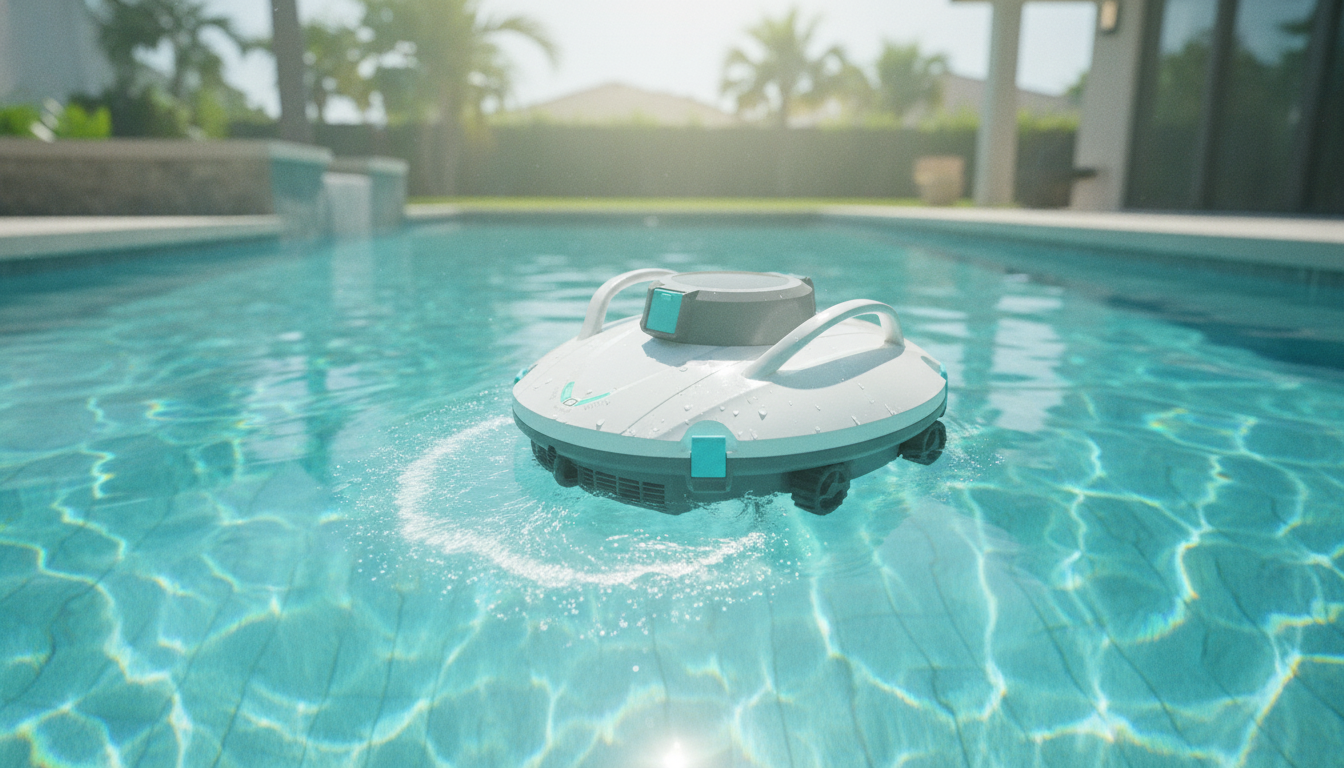
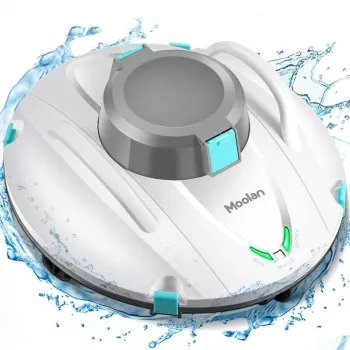
Efficient Cordless Robotic Pool Cleaner with Advanced Suction & Self-Parking
A cordless robotic pool cleaner can take daily debris control off the to-do list—especially when suction is strong enough to handle fine sediment and larger leaves. With self-parking, cleanup after the cycle is simpler, reducing the hassle of fishing a robot out of the deep end. For busy pool owners, that combination can mean clearer water between swim days, fewer “quick vacuum” sessions, and a more consistent routine that’s easier to stick with.
Why a Cordless Pool Robot Changes Day-to-Day Maintenance
The biggest quality-of-life upgrade is skipping the cord altogether. A cordless design makes the whole process feel more like dropping in a tool than setting up equipment.
- No power cord to manage along the deck, reducing tangles and setup time.
- Faster “drop-in and go” cleaning sessions that fit between swim days.
- Less clutter around the pool area compared with hose-based or corded setups.
- A cordless design is especially helpful for irregular pool shapes where cords can snag.
That simplicity matters because the best pool-cleaning plan is the one that actually happens regularly. Short, consistent cleaning cycles help keep debris from breaking down and clouding water—or collecting in corners and steps where it becomes harder to remove later.
Advanced Suction: What It Helps With (and What to Check)
Strong suction is about more than grabbing visible leaves. It also supports better pickup of fine grit that settles on the floor and makes water look dull even when chemistry is balanced.
- Stronger suction supports pickup of heavier debris (like small leaves) while still capturing fine particles that can cloud water.
- Better debris capture can reduce how often the main pool filter needs extra backwashing/cleaning.
- Confirm the debris path: intake design and internal filtration determine whether fine grit is retained or recirculated.
- For pools surrounded by trees, prioritize models that can cope with mixed debris instead of only dust.
When comparing cordless robots, look closely at the filtration approach (basket style, filter panels, or fine-mesh inserts). A great suction motor doesn’t help much if fine particles slip through the filter and end up back in the water. Capacity also matters—if you have a leafy yard, a larger bin can mean finishing a full cycle without stopping to empty it mid-clean.
Self-Parking: Easier Retrieval After the Cleaning Cycle
Self-parking is designed to make the “last step” less annoying: getting the robot out of the water once it’s done. Instead of hunting for it at the deep end, the unit aims to finish in a more reachable location.
- Self-parking is designed to position the robot for simpler pickup at the end of a cycle.
- Reduces time spent reaching into the water or using poles/hooks to retrieve the unit.
- Helpful for deeper pools and for owners who want a more hands-off routine.
- Before buying, verify where the unit typically parks (wallline/waterline/near edge) and whether that matches the pool’s layout.
If your pool has benches, sun shelves, or a slope into the deep end, pay attention to how a robot behaves at the end of a run. The best result is consistent “easy reach” parking for your particular layout—especially if you plan to run frequent cycles during peak season.
Where This Cleaner Fits Best
A cordless robotic cleaner with strong suction and self-parking is a strong match for owners who want reliable, repeatable maintenance without extra setup. It’s also a helpful complement to balanced water chemistry and basic manual touch-ups.
Helpful references:
CDC Healthy Swimming and
Pool & Hot Tub Alliance (PHTA) Standards and Guidance.
Quick Feature Checklist
| Feature | Why it matters | What to confirm before purchase |
|---|---|---|
| Cordless operation | Less setup time and fewer tangles | Charging method, expected cycle length, and where it can be used safely |
| Advanced suction | Improved pickup of fine sediment and heavier debris | Filter type/mesh, capacity, and how easily it rinses clean |
| Self-parking | Simpler retrieval after a cleaning cycle | Parking behavior and whether it consistently stops in an easy-to-reach spot |
| Debris handling | Prevents frequent interruptions | How often the bin needs emptying for typical debris in the pool |
| Maintenance access | Keeps ownership easy long-term | Tool-free opening, washable filters, and replacement part availability |
Care, Storage, and Safe Operation
Product Options Available Now
-
Efficient Cordless Robotic Pool Cleaner with Advanced Suction & Self-Parking
— a streamlined choice for hands-off cleaning, strong debris pickup, and easier end-of-cycle retrieval. -
Reducing Chemical Cleaners for a Healthier Home and Planet
— a practical digital guide for cutting down harsh cleaners around the home, which can support a cleaner pool-adjacent environment (patios, outdoor kitchens, and storage areas).
FAQ
How does self-parking help after the robot finishes cleaning?
Self-parking helps the robot end its cycle in a more reachable position, so it’s easier to lift out without dragging it from the middle or deep end. Where it parks can vary based on pool shape, slopes, and water conditions, so it’s worth confirming typical parking behavior for your layout.
Will a cordless robotic cleaner pick up both fine sand and leaves?
It can, as long as suction is strong and the internal filter or basket is designed to trap fine particles instead of letting them pass through. With heavier leaf loads, expect to empty the debris bin more often and keep up with surface skimming to avoid overfilling.
How often should the filter or debris basket be cleaned?
During heavy debris periods, empty and rinse the basket after each cycle to maintain suction and prevent odors. When debris is light, cleaning can be less frequent, but a quick rinse and routine check helps keep performance consistent.













Leave a comment