-
Shop
- Bathroom
- Best-Sellers
- Car Accessories
- Christmas Best-Sellers
- Digital Resources
- AI Skills
- AI Skills Mastery 2026 Collection
- Beauty
- Business & Wealth
- Car Buying & Ownership
- Cozy Feast Collection
- Dating & Social Skills
- Education & Learning
- Electronics & Technology
- Emotional Intelligence
- Family & Home
- Family & Parenting
- Fashion & Beauty
- Financial Education
- Health & Wellness
- Hobbies
- Home & Kitchen
- Home & Living
- Home Styling & Organization
- Mindfulness
- Motivation
- Online Business
- Parenting & Child Development
- Personal Growth
- Personal Growth & Wellness
- Personal Style & Fashion
- Pet Care
- Pet Lifestyle & Wellness
- Positive Thinking
- Productivity
- Recipes
- Self Confidence
- Sleep Improvement
- Smart Life with AI
- Stress Management & Relaxation
- Travel
- Travel Planning
- Wealth
- Wellness
- Yoga & Fitness
- Yoga & Mind-Body Practices
- Fashion
- Fashion Accessories
- Fitness
- Gadgets
- Health & Beauty
- Home & Garden
- Home Supplies
- Jewelry
- Kids & Babies
- Luxury Living Collection
- Online Business for Beginners
- Pet Supplies
- Pets
- Samsung Accessories
- Shoes
- Smart Amazon Shopping
- Sport & Outdoors
- Super Deals
- Popular
- Best deals
700W Portable Solar Power Station: Travel & Outage Backup
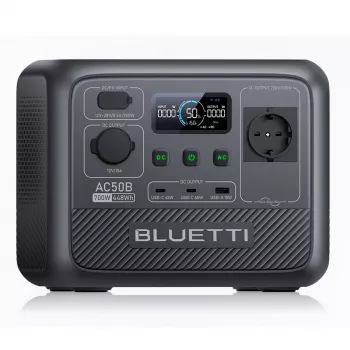
Portable Solar Power Station 700W: Practical Backup Power for Travel, Home, and Emergencies
A 700W portable power station sits in the sweet spot for “small-but-essential” electricity: it keeps phones, laptops, lights, routers, small fans, and select camping or medical gear running when outlets aren’t available. The best results come from matching the station’s continuous wattage and surge capability to your devices, then choosing a battery capacity and charging method that fit how you travel—or how long you need to ride out a short outage at home.
What a 700W portable power station is best at
A 700W class unit is designed for compact electronics and moderate-load appliances—not high-draw heating tools. It’s a strong fit for daily tech and comfort items, especially when quiet operation matters (apartments, campsites, indoor backup) because it provides power without fumes or fuel storage when used correctly.
- Great match for: phones/tablets, laptops, camera batteries, LED lighting, Wi‑Fi router/modem, small speakers, small fans, CPAP (check exact watt needs), and some small coolers.
- Typically not a match for: space heaters, full-size coffee makers, hair dryers, kettles, most microwaves, or power tools with high surge requirements.
- Most useful when you prioritize reliable charging, lighting, connectivity, and modest AC loads over “kitchen appliance” power.
Key numbers that matter before buying or packing
Two stations can both say “700W,” yet perform very differently in real use. These are the specs that make or break the experience.
- Continuous output (700W): The sustained load. Leave a buffer—running at the ceiling can cause shutdowns or reduced efficiency.
- Surge/starting power: Motors and compressors can spike at startup. Verify surge capability if you plan to run a mini fridge, pump, or compressor cooler.
- Battery capacity (Wh): The biggest driver of runtime. More Wh usually means longer use, more weight, and longer recharging.
- Ports and outlet types: Count AC outlets, confirm USB‑C PD for laptops, and check 12V options for car-style gear.
- Charging methods: Wall, car, and solar. Solar input limits (watts/voltage) and connector type determine real refill speed.
- Battery chemistry and lifecycle: If the station will be used often, cycle life matters as much as peak output.
- Protections and certifications: Look for a solid BMS and protections (over-current, over-voltage, temperature) plus recognized safety testing when available.
Realistic runtime planning (without surprises)
Runtime is where expectations can drift. A practical way to plan is to start from wattage, then translate battery capacity into hours with a real-world efficiency factor.
- Find device wattage: Check the label or power adapter. For AC devices, a plug-in watt meter is the fastest way to get accurate numbers.
- Use a practical formula: runtime (hours) ≈ battery Wh × 0.8 ÷ device watts. The 0.8 accounts for conversion losses and normal operating conditions.
- Add mixed loads: Many setups run several small items at once—sum the wattages and stay under the continuous rating.
- Watch “silent killers”: Heating elements drain batteries quickly, and compressors can demand high surge at startup.
- Mind the cold: Lower temperatures can reduce usable capacity; keep the station within its recommended temperature range.
Quick device fit guide for a 700W class portable station
| Device type | Typical power draw (W) | Notes on use | Generally suitable on 700W output? |
|---|---|---|---|
| Smartphone / tablet charging | 5–30 | Use USB ports; fast-charge depends on USB‑C PD support | Yes |
| Laptop (USB‑C or AC brick) | 45–120 | Prefer USB‑C PD when available for higher efficiency | Yes |
| LED lights / string lights | 5–60 | Great for long runtimes; low draw | Yes |
| Wi‑Fi router + modem | 10–40 | Keeps connectivity during outages; consider DC if supported | Yes |
| Small fan | 20–80 | Efficient for comfort during warm nights | Yes |
| Mini fridge / small cooler (compressor) | 60–200 (running), higher startup surge | Confirm surge rating and real duty cycle; may cycle on/off | Maybe |
| Coffee maker / kettle / space heater | 800–1500+ | Heating loads often exceed continuous output | No |
Charging options: wall, car, and solar
Charging flexibility is what turns a power station into a true “system.” Pick a routine that matches how you’ll actually use it—storm season at home, weekend trips, or daily remote work.
For deeper preparedness guidance, reference Ready.gov for emergency planning basics, the U.S. Department of Energy for backup power considerations, and NREL for solar resource fundamentals.
Safety, storage, and long-term care
Where a 700W station fits: common scenarios
Portable Solar Power Station 700W: what to check before ordering
In-stock picks and helpful add-ons
- Portable Solar Power Station 700W — a practical all-around option for travel, outages, and daily electronics.
- Smart Travel: AI Finds Your Retreat – Luxury Wellness Retreat Planning Guide (Digital Download) — useful trip-planning support when building an off-grid-friendly itinerary.
- Reducing Chemical Cleaners for a Healthier Home and Planet (Digital Download) — a simple companion for a more self-reliant, low-chemical home setup.
FAQ
Can a 700W portable power station run a refrigerator?
Sometimes: the key is whether the station can handle the refrigerator’s startup surge, not just its running watts. Small, efficient fridges may work if surge is supported, and runtime depends heavily on how often the compressor cycles. Check the fridge’s startup wattage and test the setup before relying on it.
How long will a portable power station last on a full charge?
Estimate runtime with: hours ≈ battery Wh × 0.8 ÷ watts. For example, a 60W laptop might run about 10.6 hours on a 800Wh battery (800×0.8/60), while a 20W router could run about 32 hours. Actual results vary with inverter losses, screen brightness, and temperature.
Does solar charging work on cloudy days?
Yes, but it’s slower because panels produce less power under overcast skies. Angle, shading, and panel size matter a lot—patchy sun can outperform full gray cloud cover. Plan extra charging time and keep wall or car charging as a dependable backup.
Recommended for you


Overcoming Fear of Failure: Meaning of the Quote
Jul 25, 2026













Leave a comment