-
Shop
- Bathroom
- Best-Sellers
- Car Accessories
- Christmas Best-Sellers
- Digital Resources
- AI Skills
- AI Skills Mastery 2026 Collection
- Beauty
- Business & Wealth
- Car Buying & Ownership
- Cozy Feast Collection
- Dating & Social Skills
- Education & Learning
- Electronics & Technology
- Emotional Intelligence
- Family & Home
- Family & Parenting
- Fashion & Beauty
- Financial Education
- Health & Wellness
- Hobbies
- Home & Kitchen
- Home & Living
- Home Styling & Organization
- Mindfulness
- Motivation
- Online Business
- Parenting & Child Development
- Personal Growth
- Personal Growth & Wellness
- Personal Style & Fashion
- Pet Care
- Pet Lifestyle & Wellness
- Positive Thinking
- Productivity
- Recipes
- Self Confidence
- Sleep Improvement
- Smart Life with AI
- Stress Management & Relaxation
- Travel
- Travel Planning
- Wealth
- Wellness
- Yoga & Fitness
- Yoga & Mind-Body Practices
- Fashion
- Fashion Accessories
- Fitness
- Gadgets
- Health & Beauty
- Home & Garden
- Home Supplies
- Jewelry
- Kids & Babies
- Luxury Living Collection
- Online Business for Beginners
- Pet Supplies
- Pets
- Samsung Accessories
- Shoes
- Smart Amazon Shopping
- Sport & Outdoors
- Super Deals
- Popular
- Best deals
4-Person Pop-Up Tent: Waterproof, UV Shade & Airflow
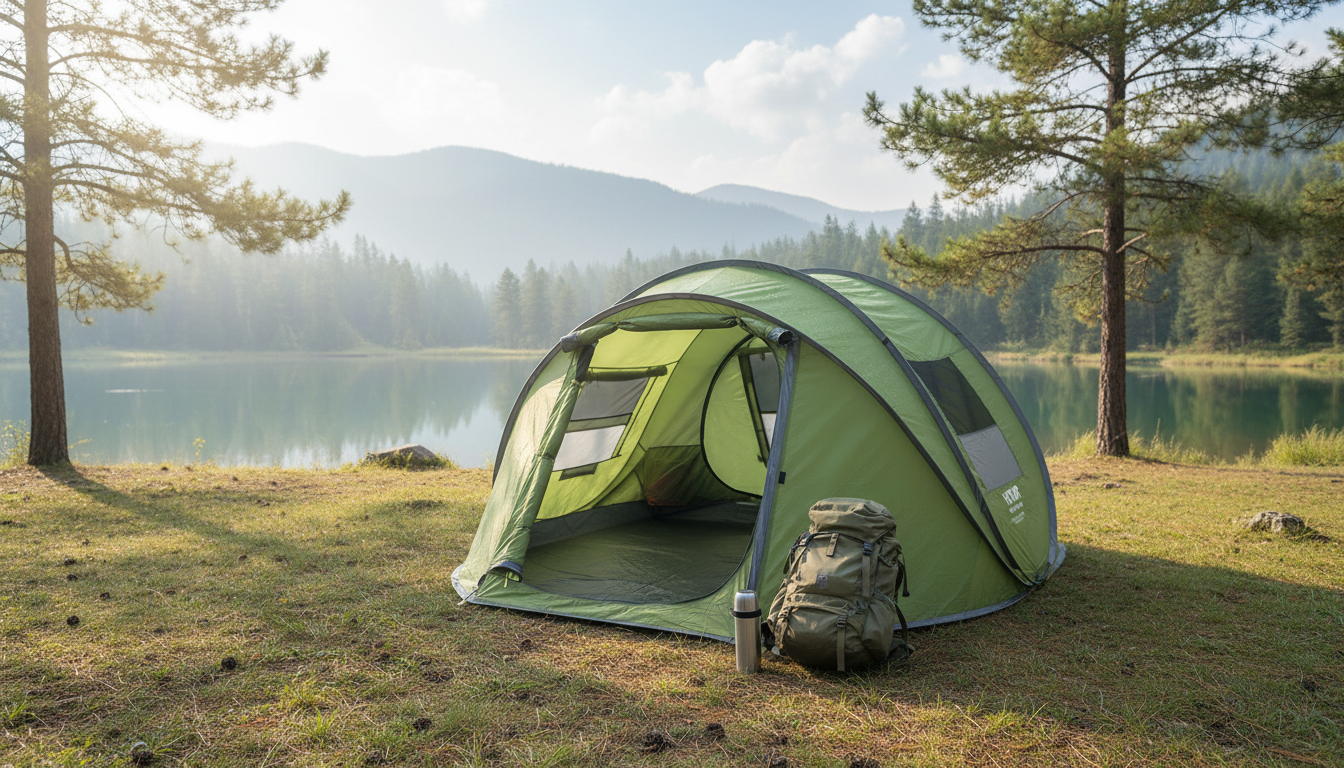
4-Person Pop-Up Waterproof Camping Tent with UV Protection & Ventilation
A pop-up tent that sets up fast can make weekend camping, beach days, and backyard overnights much easier—especially when it also focuses on rain protection, sun coverage, and airflow. This guide breaks down what to look for in a 4-person pop-up tent, how UV protection and ventilation work in real use, and practical setup tips for staying comfortable in changing weather.
What This Tent Is Built For
A 4-person pop-up tent is all about speed and convenience: less time threading poles, more time getting settled. It’s a practical pick when conditions might shift (sun to clouds, calm to breezy) and you want a shelter that goes up quickly.
- Quick shelter for car camping, festivals, beach outings, and short stays where fast setup matters
- Room intended for up to 4 people; most groups find it most comfortable for 2–3 campers plus bags
- Weather-ready features aimed at rain resistance and damp ground conditions
- Sun-focused design elements that help reduce exposure and heat buildup during daytime use
Quick Feature Summary
Pop-up tents trade some “backcountry minimalism” for convenience. When the tent is built with water resistance, UV help, and ventilation, it becomes a strong choice for warm-weather overnights and shoulder-season weekends.
- Pop-up frame style for faster pitching than traditional pole tents
- Waterproof-focused construction to handle showers and wet grass
- UV protection element designed to reduce sun intensity inside the tent
- Ventilation features to support airflow and reduce condensation
At-a-Glance Details
| Feature | What it means for camping |
|---|---|
| Capacity | 4-person design; best comfort often comes with fewer people plus gear |
| Setup style | Pop-up structure for quick setup and takedown |
| Water protection | Made to resist rain and moisture (performance improves with good site choice and staking) |
| UV protection | Helps reduce sun exposure and can limit heat gain in direct sunlight |
| Ventilation | Airflow paths to reduce stuffiness and help manage condensation |
Comfort in Heat: UV Protection + Shade Strategy
UV protection matters most when there’s nowhere to hide from direct sun—think beaches, lakeshores, and open festival fields. Even a small reduction in sun intensity can make the interior feel less harsh and help limit fabric fatigue over time. To gauge how intense your day will be, it helps to check the NOAA UV Index before you head out.
- UV protection is most useful for midday beach or open-field camping where shade is limited
- For best results, pitch with the door/major openings angled away from direct afternoon sun when possible
- Add extra shade (tarp or canopy) during heat waves to keep the tent cooler and reduce fabric stress
- Even with UV features, monitor heat buildup—tents can warm quickly in still air
If the forecast hints at extreme heat, treat your tent like a sleeping shelter—not a daytime hangout. Build in shade, drink water consistently, and take cooling breaks; the CDC’s heat illness prevention guidance is a smart reference for hot-weather trips.
Staying Dry: Waterproofing That Works in Real Conditions
“Waterproof” is never just about the fabric—it’s about how you pitch. A tent can only shed water well when the panels are tensioned and the campsite isn’t collecting runoff. If you’re camping in a managed campground, basic safety reminders from the National Park Service pair well with weather-ready setup habits.
- Choose higher ground and avoid depressions where water can pool during storms
- Stake and tension the tent so fabric panels stay taut (reduces sagging and improves rain shedding)
- Use a groundsheet only if it does not extend beyond the tent floor (prevents runoff from channeling underneath)
- After rainy trips, dry the tent fully before storage to reduce odors and fabric degradation
One practical trick: if a shower is expected overnight, do a quick lap around the tent before bed—re-check stakes, snug up guy points, and make sure the floor area is tidy so nothing presses the fabric outward where drips could form.
Ventilation and Condensation: How to Sleep Better
Condensation is normal camping physics: warm breath and body heat meet cooler fabric, and moisture collects. Ventilation doesn’t eliminate the possibility, but it makes a big difference in how damp the interior feels when you wake up.
Setup, Take-Down, and Campcraft Tips
Who This 4-Person Pop-Up Tent Fits Best
Product Page
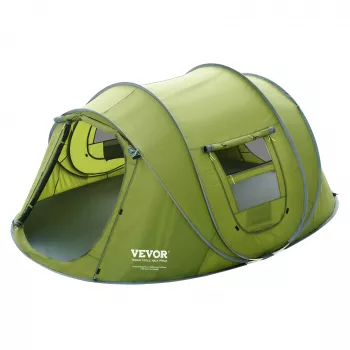
For current pricing, availability, and photos, visit the listing for the 4-Person Pop-Up Waterproof Camping Tent with UV Protection & Ventilation. Confirm whether accessories (stakes, lines, carry bag) are included and review care instructions before the first trip.
More In-Stock Picks
- 4-Person Pop-Up Waterproof Camping Tent with UV Protection & Ventilation
- Smart Travel: AI Finds Your Retreat – Luxury Wellness Retreat Planning Guide (Digital Download)
- Reducing Chemical Cleaners for a Healthier Home and Planet (Digital Download)
FAQ
How many people can comfortably sleep in a 4-person pop-up tent?
“4-person” is usually a maximum capacity rating, not a comfort guarantee. Many campers find the best fit is 2–3 people plus bags, especially if you’re using wider sleeping pads or want room to change clothes inside.
Does a ventilated tent still get condensation?
Yes. Condensation can still happen due to humidity and temperature swings, but good ventilation reduces how much moisture builds up and helps it dry faster. Keeping vents cracked, creating a cross-breeze, and storing wet gear away from sleeping areas all help.
Is UV protection useful if camping in partial shade?
It can still be useful during peak sun hours and in bright environments where light reflects off sand or water. Combining UV-focused fabric with smart positioning—like aiming major openings away from afternoon sun—usually improves comfort the most.











Leave a comment